Plant-based eating has become one of the fastest-growing food trends in the world, and in 2026, its popularity continues to rise rapidly. More people are choosing plant-based foods not only for health reasons but also for environmental sustainability, animal welfare, and overall wellness.
Restaurants, supermarkets, and food companies are now offering a wide variety of plant-based products, making it easier than ever to adopt a healthier and more sustainable lifestyle. From plant-based burgers and dairy-free milk to vegan desserts and meat alternatives, the food industry is experiencing a major transformation.
In this SEO-optimized article, we explore the rise of plant-based eating in 2026, why it has become so popular, and how it is changing the future of food worldwide.
What Is Plant-Based Eating?
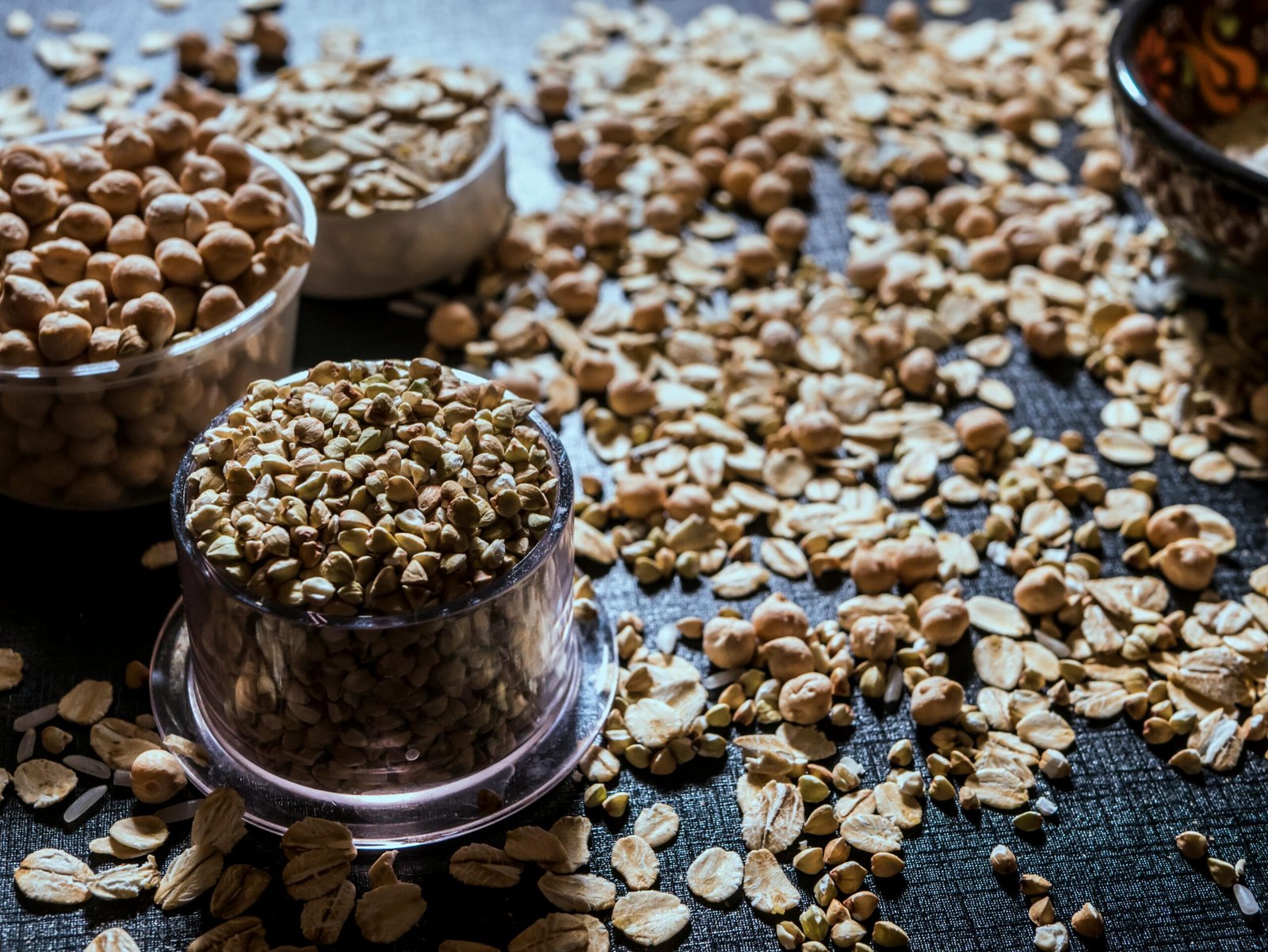
Plant-based eating focuses mainly on foods that come from plants, including:
- Fruits
- Vegetables
- Whole grains
- Nuts and seeds
- Legumes
- Plant-based proteins
Unlike strict vegan diets, plant-based eating does not always eliminate animal products completely. Many people simply reduce meat and dairy consumption while increasing plant foods in their daily meals.
Common Plant-Based Foods
- Lentils
- Chickpeas
- Tofu
- Oats
- Almond milk
- Quinoa
- Beans
Plant-based diets are now considered one of the healthiest eating patterns worldwide.
Why Plant-Based Eating Is Growing in 2026
Several factors are driving the rise of plant-based eating in 2026.
1. Health Awareness
People are becoming more health-conscious and paying closer attention to their diets. Research shows that plant-based diets may help reduce the risk of:
- Heart disease
- Obesity
- Diabetes
- High blood pressure
Plant-based foods are naturally rich in:
- Fiber
- Vitamins
- Minerals
- Antioxidants
This has encouraged many consumers to switch to healthier eating habits.
Environmental Concerns and Sustainability
Environmental sustainability is another major reason behind the popularity of plant-based diets.
Many people are aware that large-scale meat production contributes to:
- Greenhouse gas emissions
- Water pollution
- Deforestation
- Climate change
Plant-based eating is considered more environmentally friendly because growing plants generally requires fewer natural resources than raising animals.
Environmental Benefits of Plant-Based Diets
- Lower carbon footprint
- Reduced water usage
- Less pollution
- More sustainable food production
In 2026, sustainability plays a major role in food choices worldwide.
Rise of Vegan and Plant-Based Products
Food companies are investing heavily in plant-based innovation.
Today, supermarkets and restaurants offer:
- Plant-based burgers
- Vegan cheese
- Dairy-free ice cream
- Oat milk
- Meat alternatives
- Vegan snacks
These products are designed to taste similar to traditional foods while providing healthier and eco-friendly alternatives.
Popular Plant-Based Food Trends in 2026
- Plant-based fast food
- Vegan protein snacks
- Dairy-free beverages
- Meatless meal kits
- Plant-based seafood alternatives
The plant-based food industry continues to grow rapidly every year.
Social Media Influences Food Trends
Social media platforms have played a huge role in promoting plant-based lifestyles.
Food influencers, fitness experts, and chefs regularly share:
- Healthy recipes
- Vegan meal ideas
- Plant-based cooking tips
- Nutrition advice
This online exposure has made plant-based eating more attractive and accessible, especially for younger generations.
How Social Media Supports Plant-Based Eating
- Increases awareness
- Shares easy recipes
- Promotes healthy lifestyles
- Encourages food experimentation
In 2026, digital platforms continue shaping global food habits.
Health Benefits of Plant-Based Eating
One of the main reasons people adopt plant-based diets is improved health.
Major Health Benefits
- Better digestion
- Improved heart health
- Increased energy levels
- Weight management support
- Lower cholesterol levels
Plant foods are generally lower in saturated fats and higher in fiber compared to processed animal products.
Plant-Based Eating and Weight Loss
Many people choose plant-based diets for weight management.
Whole plant foods tend to be:
- Lower in calories
- Rich in fiber
- More filling
This helps people feel satisfied while consuming fewer unhealthy fats and processed foods.
Best Plant-Based Foods for Weight Loss
- Vegetables
- Fruits
- Lentils
- Beans
- Oats
- Brown rice
Balanced plant-based diets can support healthy and sustainable weight loss.
Plant-Based Eating in Restaurants
Restaurants worldwide are adapting to changing consumer preferences.
Many fast food chains and fine dining restaurants now offer:
- Vegan burgers
- Plant-based pizzas
- Dairy-free desserts
- Vegan breakfast options
Why Restaurants Are Expanding Plant-Based Menus
- Rising customer demand
- Health-conscious consumers
- Environmental awareness
- Food industry competition
Plant-based dining is no longer a niche trend — it has become mainstream.
Technology Is Transforming Plant-Based Foods
Food technology has improved the quality of plant-based alternatives significantly.
Modern meat substitutes are designed to replicate:
- Texture
- Flavor
- Appearance
Advanced food science has created products that closely resemble traditional meat while using plant ingredients.
Popular Plant-Based Innovations
- Lab-developed vegan proteins
- Plant-based chicken alternatives
- Vegan seafood products
- High-protein meat substitutes
Technology continues to shape the future of plant-based eating.
Challenges of Plant-Based Diets
Although plant-based eating offers many benefits, some challenges still exist.
Common Challenges
- Limited availability in some areas
- Higher prices for specialty products
- Nutritional planning requirements
- Difficulty adjusting eating habits
Some people may also struggle to get enough:
- Vitamin B12
- Iron
- Protein
- Omega-3 fatty acids
Balanced meal planning is important for maintaining proper nutrition.
The Future of Plant-Based Eating
Experts believe plant-based eating will continue growing beyond 2026.
Future Food Trends
- More affordable plant-based products
- Increased vegan restaurant options
- Sustainable food innovations
- Health-focused diets
- Eco-friendly food packaging
Consumers are becoming more aware of how food choices impact both personal health and the environment.
Tips for Starting a Plant-Based Lifestyle
Transitioning to a plant-based diet can be simple with small changes.
Beginner Tips
- Start with one plant-based meal daily
- Replace dairy milk with oat or almond milk
- Eat more vegetables and whole grains
- Try plant-based protein options
- Explore vegan recipes online
Gradual changes make the transition easier and more sustainable.
Final Thoughts
The rise of plant-based eating in 2026 reflects major changes in health awareness, sustainability, and food innovation. More people are choosing plant-based lifestyles because they support better health, environmental protection, and ethical food choices.
With growing availability of delicious vegan products, improved food technology, and increasing public awareness, plant-based eating is becoming part of mainstream global food culture.
Whether someone wants to improve health, reduce environmental impact, or explore new flavors, plant-based eating offers a modern and sustainable approach to nutrition.