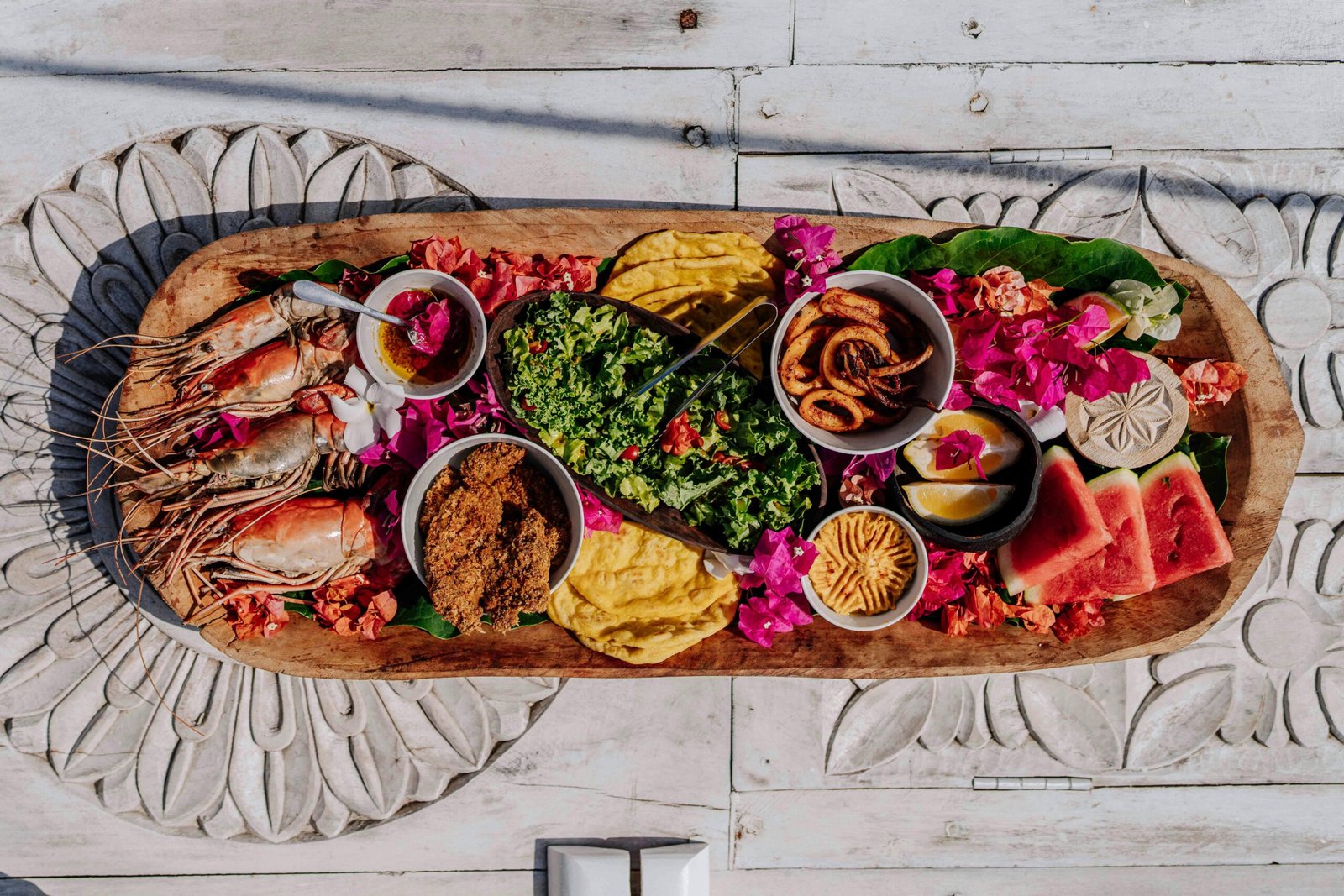
Cooking restaurant-style meals at home has become increasingly popular in recent years. Many people want to enjoy delicious, high-quality food without spending large amounts of money at restaurants. With the right ingredients, techniques, and kitchen tools, anyone can create flavorful dishes that taste professionally made.
Restaurant-style cooking is not only about expensive ingredients or advanced culinary skills. It is about understanding flavors, presentation, preparation methods, and cooking techniques that elevate simple meals into impressive dining experiences.
In this SEO-optimized beginner’s guide, we explore how to cook restaurant-style meals at home with practical tips, essential tools, and easy cooking strategies.
Why People Love Restaurant-Style Cooking at Home
Homemade restaurant-style meals offer several advantages over dining out.
Benefits of Cooking Restaurant-Style Meals at Home
- Saves money
- Healthier ingredient choices
- Better portion control
- Fun and creative experience
- Family bonding opportunity
Cooking at home also allows people to customize recipes according to their tastes and dietary preferences.
Start with Simple Recipes
One of the biggest mistakes beginners make is choosing overly complicated dishes.
Starting with easy recipes helps build confidence and cooking skills.
Best Beginner-Friendly Restaurant-Style Meals
- Pasta dishes
- Stir-fried rice
- Grilled chicken
- Burgers
- Creamy soups
- Simple curries
Mastering basic recipes creates a strong foundation for more advanced cooking later.
Use Fresh Ingredients
Fresh ingredients are one of the secrets behind restaurant-quality food.
Restaurants often use fresh herbs, vegetables, spices, and proteins to maximize flavor and texture.
Important Fresh Ingredients
- Garlic
- Ginger
- Fresh herbs
- Lemon juice
- Vegetables
- Quality meats and seafood
Fresh ingredients make homemade meals taste richer and more flavorful.
Essential Kitchen Tools for Beginners
You do not need a professional kitchen to cook restaurant-style meals, but having basic tools makes cooking easier and more efficient.
Must-Have Kitchen Equipment
- Sharp chef’s knife
- Cutting board
- Non-stick frying pan
- Saucepan
- Measuring cups and spoons
- Blender or food processor
Quality kitchen tools improve cooking precision and safety.
Learn Basic Cooking Techniques
Professional chefs rely on cooking techniques more than complicated recipes.
Learning a few simple methods can dramatically improve homemade meals.
Essential Cooking Skills
- Sautéing
- Roasting
- Grilling
- Boiling
- Frying
- Seasoning properly
Understanding heat control and timing is especially important for achieving restaurant-quality results.
The Importance of Seasoning
Proper seasoning is one of the biggest differences between ordinary food and restaurant-style meals.
Restaurants carefully balance:
- Salt
- Pepper
- Herbs
- Spices
- Acidity
Tips for Better Seasoning
- Taste food while cooking
- Add salt gradually
- Use fresh herbs for flavor
- Balance spicy, sweet, and sour flavors
Seasoning enhances the natural taste of ingredients.
Presentation Makes a Big Difference
Restaurant meals often look attractive because chefs focus on food presentation.
Simple plating techniques can make homemade food feel more professional.
Easy Food Presentation Tips
- Use clean plates
- Add fresh herbs as garnish
- Avoid overcrowding the plate
- Use colorful ingredients
- Arrange food neatly
People often enjoy meals more when they look visually appealing.
Learn How to Use Sauces
Sauces are a key element in many restaurant dishes.
A simple sauce can completely transform the flavor of a meal.
Easy Restaurant-Style Sauces
- Garlic butter sauce
- Creamy mushroom sauce
- Tomato pasta sauce
- Lemon herb sauce
- Yogurt-based sauces
Homemade sauces are fresher and often healthier than store-bought options.
Marination Improves Flavor
Marinating meat, chicken, or vegetables before cooking helps improve tenderness and flavor.
Common Marinade Ingredients
- Yogurt
- Lemon juice
- Garlic
- Herbs
- Olive oil
- Spices
Allowing food to marinate for several hours creates deeper and richer flavors.
Master Restaurant-Style Pasta Dishes
Pasta is one of the easiest restaurant-style meals beginners can make at home.
Tips for Better Pasta
- Cook pasta until al dente
- Use fresh garlic and herbs
- Save pasta water for sauces
- Add parmesan cheese for flavor
Popular homemade pasta dishes include:
- Alfredo pasta
- Spaghetti Bolognese
- Garlic butter pasta
- Creamy chicken pasta
Restaurant-quality pasta depends on balanced sauce and texture.
Restaurant-Style Asian Cooking at Home
Asian dishes are highly popular because of their bold flavors and quick cooking methods.
Beginner-Friendly Asian Meals
- Fried rice
- Noodles
- Stir-fried vegetables
- Teriyaki chicken
- Sweet and sour dishes
Using soy sauce, ginger, garlic, and sesame oil can instantly improve flavor.
Importance of Heat Control
Professional chefs understand how temperature affects food texture and taste.
Why Heat Matters
- High heat creates crispy texture
- Medium heat cooks evenly
- Low heat is ideal for sauces and soups
Avoid overcrowding pans because it reduces proper browning and flavor development.
Practice Meal Preparation
Restaurants prepare ingredients before cooking to save time and improve efficiency.
This process is called mise en place.
Meal Prep Tips
- Chop vegetables in advance
- Measure spices before cooking
- Prepare sauces early
- Organize ingredients neatly
Preparation helps reduce stress during cooking.
Healthy Restaurant-Style Cooking
Restaurant meals can also be healthy when made at home.
Healthier Cooking Alternatives
- Grill instead of deep fry
- Use olive oil in moderation
- Add more vegetables
- Choose lean proteins
- Reduce processed ingredients
Homemade meals give you full control over ingredients and nutrition.
Common Beginner Cooking Mistakes
Many beginners struggle because of small but common mistakes.
Mistakes to Avoid
- Overcooking food
- Using too much salt
- Skipping seasoning
- Cooking at incorrect temperatures
- Not tasting food while cooking
Learning from mistakes is part of becoming a better cook.
Why Cooking at Home Is Rewarding
Cooking restaurant-style meals at home provides more than delicious food.
Benefits of Home Cooking
- Builds confidence
- Reduces stress
- Encourages creativity
- Strengthens family relationships
- Saves money over time
Cooking can become both a useful skill and an enjoyable hobby.
Final Thoughts
Learning how to cook restaurant-style meals at home is easier than many beginners think. By using fresh ingredients, mastering simple techniques, and practicing regularly, anyone can create delicious meals that taste professionally prepared.
Restaurant-quality cooking is not about perfection — it is about balance, flavor, creativity, and presentation. From pasta and grilled chicken to flavorful sauces and beautifully plated dishes, homemade meals can become exciting and satisfying experiences.
With patience and practice, beginners can confidently transform ordinary home cooking into impressive restaurant-style dining.